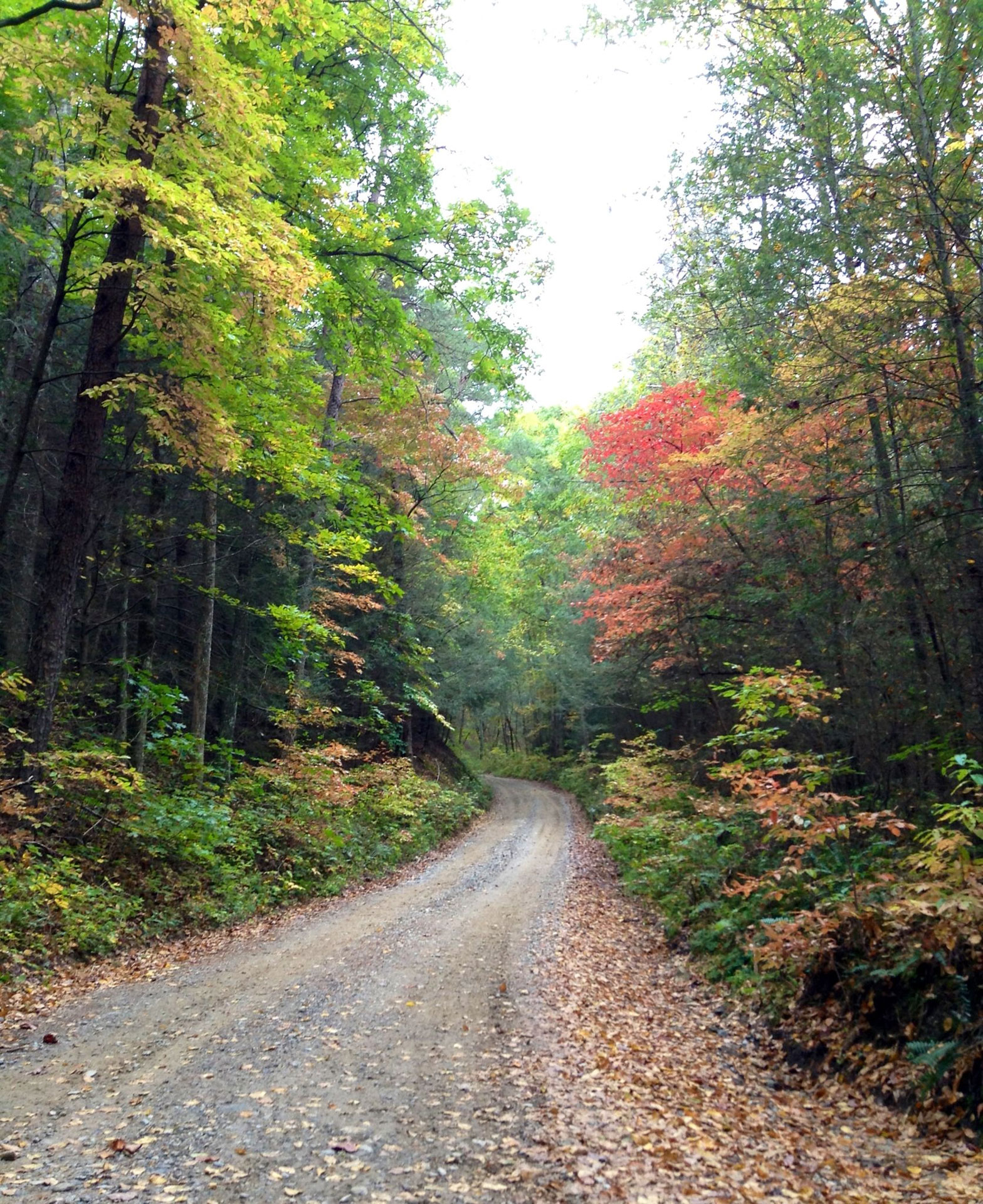

Habersham County is known for its scenic highways and mountain views, but for many residents, it’s the back roads — not the main highways — that matter most.
From school bus routes and first responder access to daily commutes and utility repairs, Habersham’s secondary roads quietly carry much of the county’s day-to-day life. These roads connect neighborhoods, farms, churches, and small businesses that don’t always sit along major corridors like U.S. 441 or Ga. 365.
In recent years, weather events, growth pressures, and increased traffic have highlighted just how critical these routes are. When ice, fallen trees, or flooding make a road impassable, it doesn’t just slow traffic — it can affect school schedules, emergency response times, and access to essential services.
County road crews, utility workers, and public safety officials spend countless hours maintaining these roads, often out of the spotlight. Many residents may not realize that a single blocked road can ripple through an entire area, impacting hundreds of families.
As Habersham County continues to grow, conversations about infrastructure often focus on major highways and large projects. But maintaining and improving secondary roads will remain just as important — especially in a county where geography, weather, and rural character all play a role.
Habersham News will continue highlighting the everyday infrastructure that keeps our community connected — including the roads we sometimes take for granted.